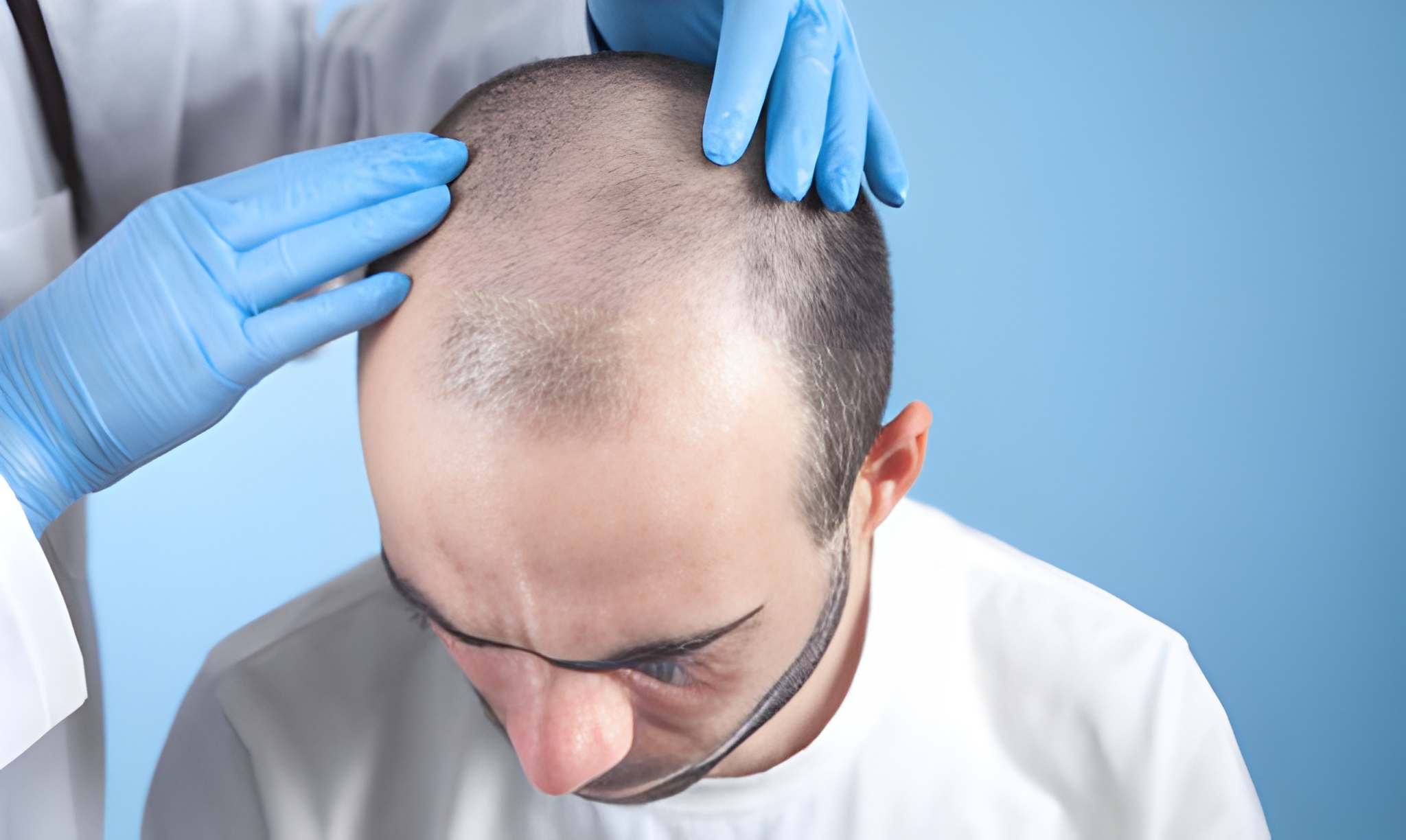
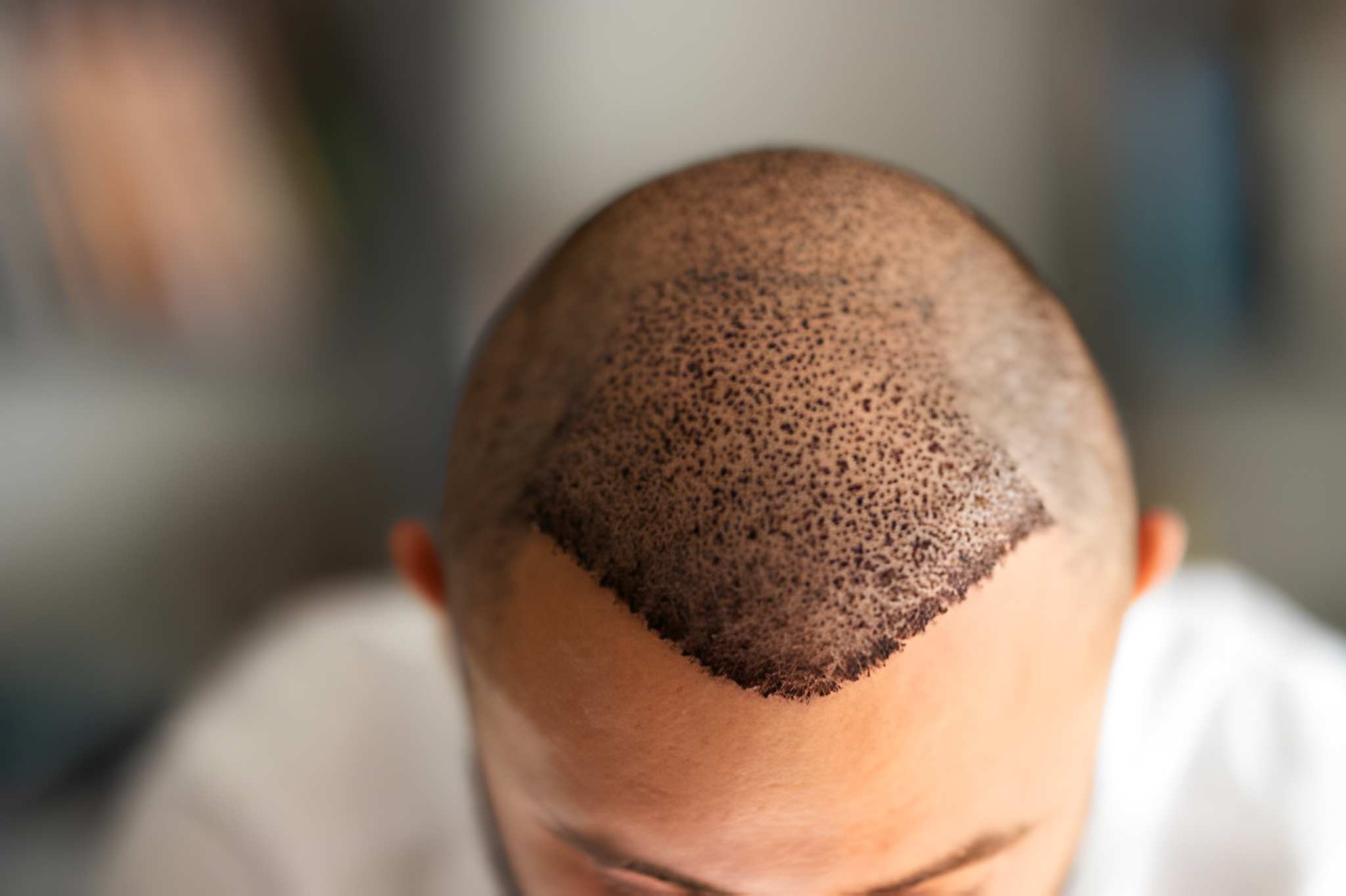
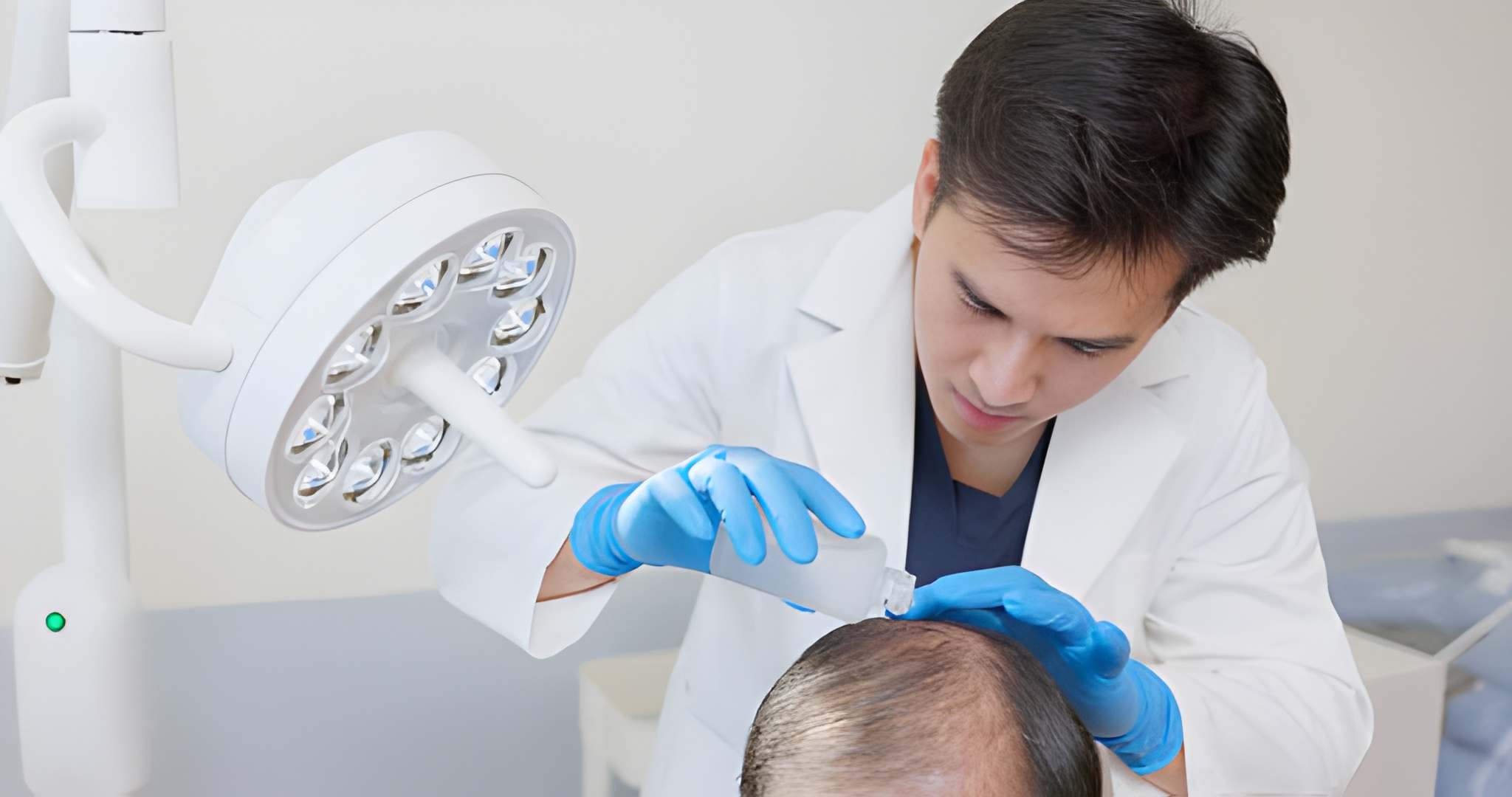
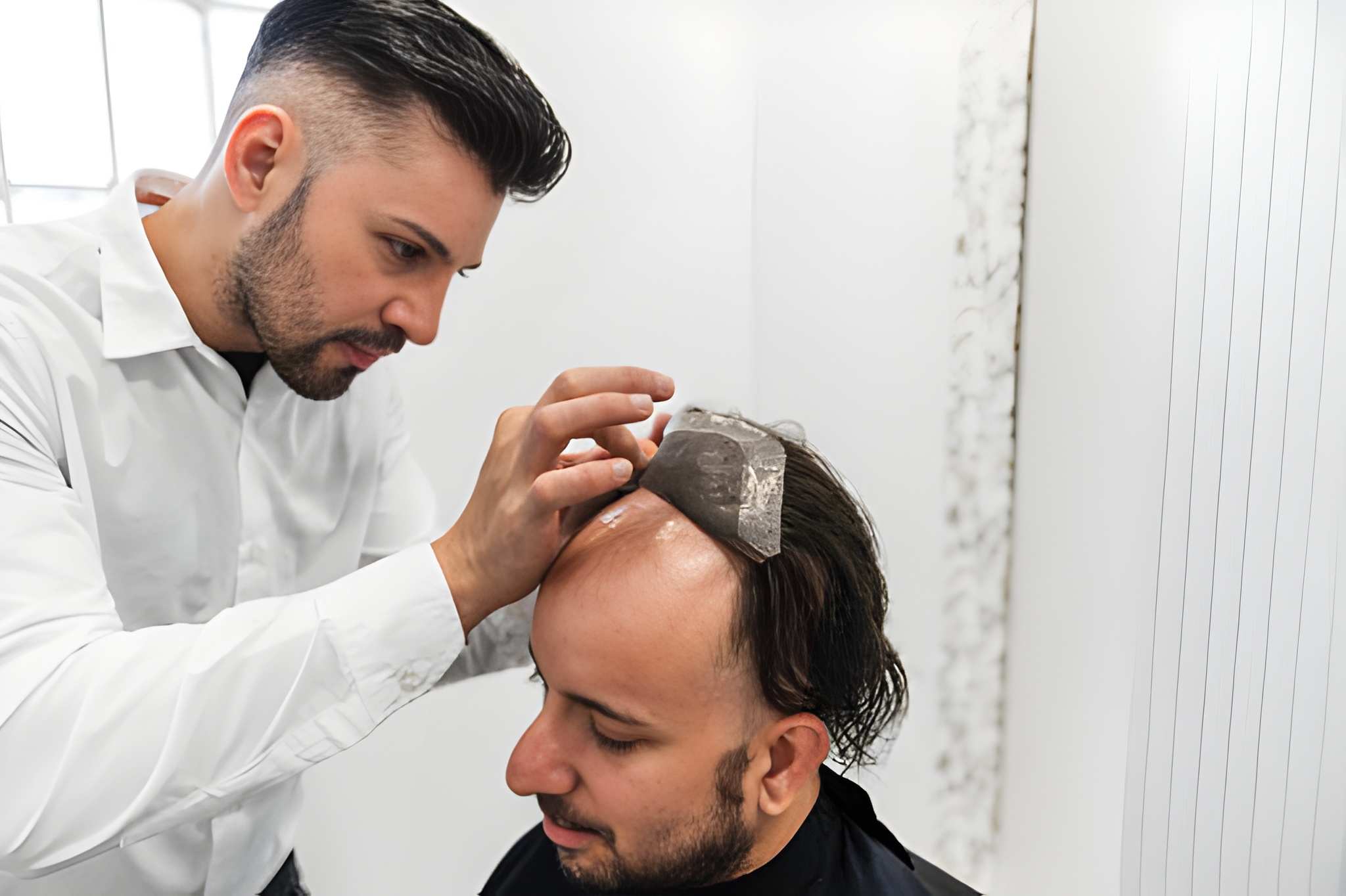
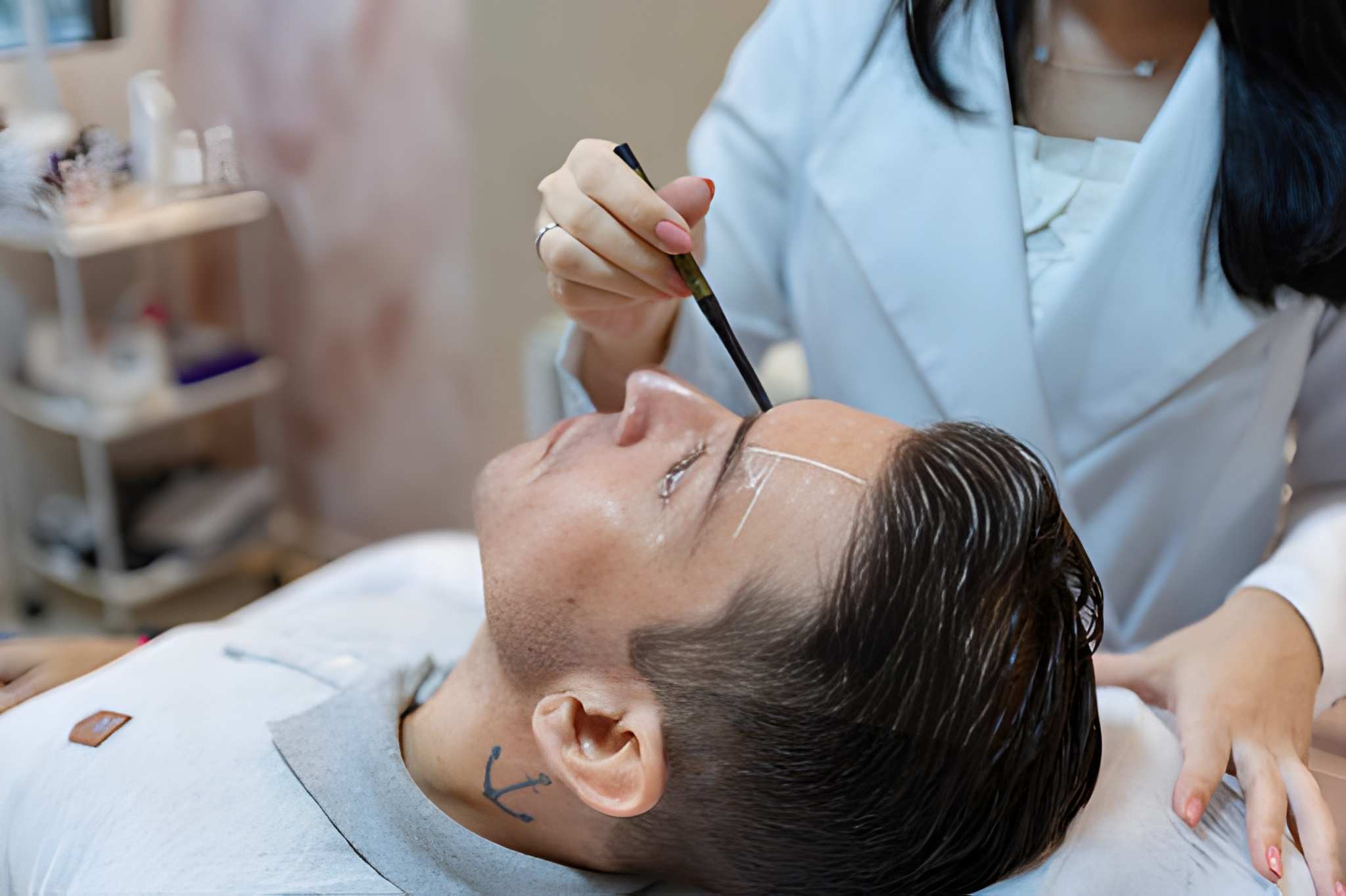
Regain Your Hair And Confidence

Medreen connects you with trusted surgeons for advanced hair transplant procedures. We coordinate consultations, surgery scheduling, travel and recovery so you can focus on your new look.

Cancer Treatment

Why choose Medreen for Cancer care?

👨‍⚕️

No mental load

We handle scheduling, reminders, coordination, and the steps people usually find overwhelming.

⏱️

Verified providers

We work with accredited hospitals and experienced specialists. We verify credentials and standards before partnering.

💷

Comfort-first recovery support

Hotel, food guidance, and on-ground assistance during treatment and early recovery.

🏥

Clear estimates (no surprises)

ou receive a structured estimate with what’s included, what can change it, and next steps. Cancer procedures we coordinate

Hair Transplant procedures we coordinate

Share your reports and we’ll guide, you toward the right option based on your condition and goals.

Follicular Unit Transplantation (FUT)

  • Involves removing a strip of scalp from the donor area and dissecting it into individual follicular units for transplantation.

  • Often recommended for moderate to advanced hair loss; can transplant a large number of grafts in one session.

  • May leave a thin linear scar hidden by surrounding hair; final hair growth appears after 6–12 months.
CTA: Get FUT Hair Transplant Estimate
Explore Surgical Options
Hip replacement treatment
Sports injury treatment

Follicular Unit Extraction (FUE)

  • Harvests individual hair follicles using tiny punches, leaving minimal dot-like scars and allowing for short hairstyles.

  • Suitable for patients with mild to moderate hair loss; time-consuming but offers natural-looking results.

  • FUE is less invasive than FUT and has a quicker recovery; transplanted hair typically grows permanently.
CTA: Get FUE Hair Transplant Estimate
Explore Chemotherapy Options
Spine surgery treatment

Direct Hair Implantation (DHI)

  • Uses a specialized implanter pen to place follicles directly into the scalp without prior channel incisions.

  • Ensures precise angle, depth and direction, leading to high graft survival and natural density.

  • Less bleeding and faster healing compared with traditional techniques.
CTA: Explore DHI Options
Explore Radiation Options

Beard & Eyebrow Transplant

  • Restores hair in facial areas such as beard, moustache or eyebrows using FUE or similar techniques.

  • Helps achieve a fuller beard or shaped eyebrows to enhance facial aesthetics.

  • Performed under local anaesthesia with results visible within 3–6 months.
CTA: Check Facial Hair Transplant Options
Explore Immunotherapy Options
Knee replacement treatment

World-class care at a
fraction of typical US self-pay costs

Treatment US cost Typical India cost Approx. savings
Hair transplant (2,000 grafts) $8k–$15k $2k–$3.5k ≈65%
FUT hair transplant $7k–$12k $1.5k–$2.5k ≈70%
FUE hair transplant $9k–$15k $2.5k–$4k ≈70%
Beard/Eyebrow transplant $5k–$8k $1.5k–$2.5k ≈65%

Meet Our Doctors / Hospitals

Dr Asha Mehta
Medical Oncology

Dr Asha Mehta

London, UK
Dr Rajesh Sharma
Surgical Oncology

Dr Rajesh Sharma

Mumbai, India
Dr Priya Nair
Radiation Oncology

Dr Priya Nair

New Delhi, India
Dr Sameer Khan
Hematology

Dr Sameer Khan

Birmingham, UK
Dr Asha Mehta
Medical Oncology

Dr Asha Mehta

London, UK
Dr Rajesh Sharma
Surgical Oncology

Dr Rajesh Sharma

Mumbai, India
Dr Priya Nair
Radiation Oncology

Dr Priya Nair

New Delhi, India
Dr Sameer Khan
Hematology

Dr Sameer Khan

Birmingham, UK

FAQs

Q1: How do I know which treatment I actually need?
A: You share your reports (diagnostic tests and doctor notes). We arrange a specialist review and explain the recommended option clearly. Medreen does not give medical advice — the treating doctor does.
Q2: How fast can treatment be scheduled?
A: It depends on surgeon availability, hospital slots, and your pre-op tests. We aim to share a realistic timeline after reports review and once you select a provider.
Q3: What is included in the cost estimate?
A: We provide a written estimate with inclusions and exclusions. Typically, estimates may include hospital stay, operating room charges, surgeon/anesthesia fees, basic medicines during admission, and standard diagnostics. Premium implants, devices or rooms can change the number.
Q4: What can increase the final cost?
A: Most common reasons: premium implant or device choice; longer hospital or ICU stay; additional tests due to health conditions (e.g. diabetes, heart risk, infections); complications requiring extra care. We highlight these cost movers up front.
Q5: Do you guarantee the same price shown on the website?
A: No — the website shows benchmarks. Final pricing is confirmed after medical review and a hospital quote.
Q6: Will I need follow-up therapy after cancer treatment?
A: Most people return to work within several days. Transplanted hair often sheds 2–3 weeks after surgery and new growth begins around 3–6 months; full results appear over 6–12 months. Follow your surgeon’s instructions and avoid heavy exercise for the first couple of weeks.
Q7: Can someone stay with me during treatment?
A: Yes. We encourage a companion for many cases (especially for older patients). We can also coordinate on-ground help/support, depending on what you choose.
Q8: How does the doctor consultation work?
A: After you submit details, we can schedule a video consultation. If your model includes a paid consult, we collect payment and confirm the appointment.
Q9: Can my US/UK/Canada insurance pay for treatment abroad?
A: Sometimes, but often not unless your policy includes international/elective treatment or out-of-network overseas coverage. We help you prepare documents for your insurer (invoice, medical notes, discharge summary), but approval depends on your insurer and plan.
Q10: What documents do you need from me for an estimate?
A: Typically: passport (basic details); diagnosis note/current doctor summary; recent diagnostic reports (e.g. X-ray, MRI, angiogram); current medication list; past medical history (e.g. diabetes, blood pressure, heart issues).
Q11: What are the biggest risks patients worry about?
A: Usually: safety, communication, post-op follow-up, and unexpected costs. We reduce this by using verified hospitals, clear written estimates, and a structured follow-up plan.
Q12: What happens after I return home?
A: We coordinate discharge documents and a follow-up schedule. If you need continued therapy or check-ins, we help arrange tele-follow-ups with the treating team.
Q13: Do you handle refunds if the patient cancels?
A: Refunds depend on hospital/provider cancellation rules and timing (deposits, booking blocks, etc.). We share the policy before any payment is made.
Q14: Is Medreen a hospital or medical provider?
A: No. Medreen is a facilitator/coordination service. Medical decisions and treatment are provided by licensed hospitals/doctors.